
Patient Resources
Get Healthy!
How to Gauge Your Personal Risk For a Hernia
- March 14, 2026
- Carole Tanzer Miller HealthDay Reporter
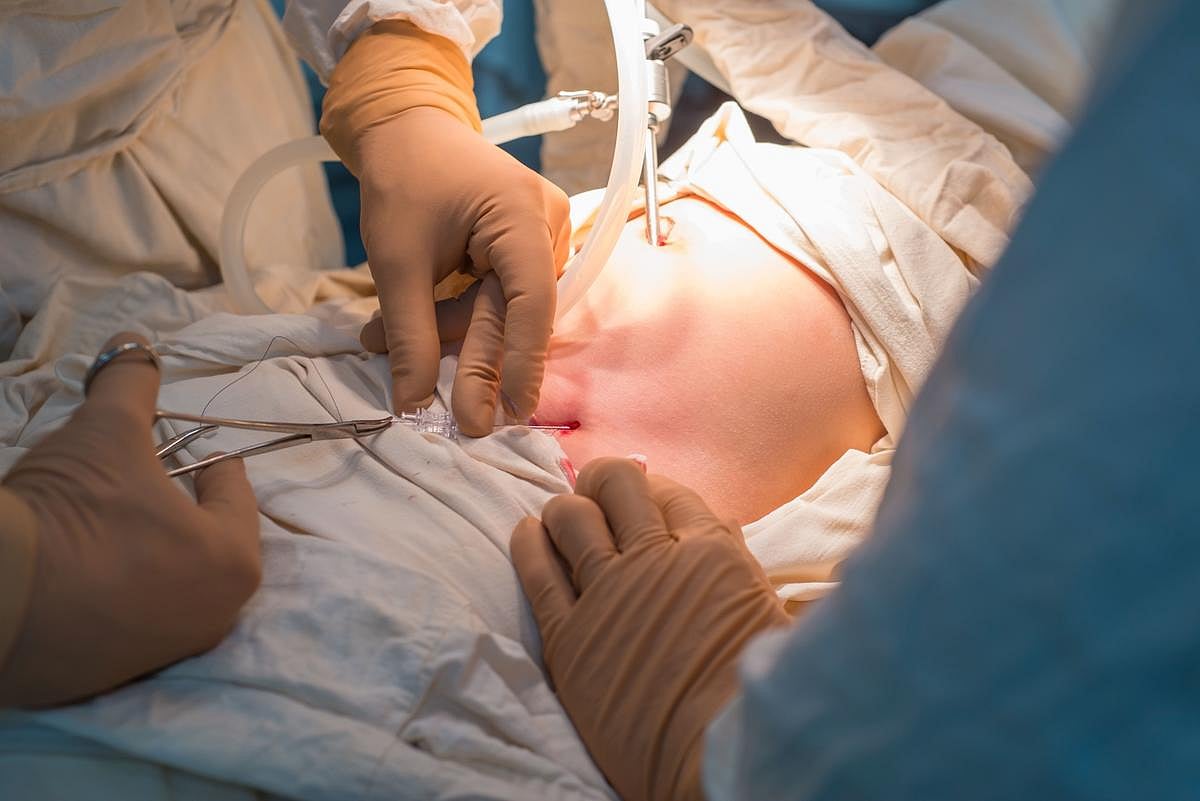
If you’re carrying extra weight, smoke, or have a cough or sneeze that won’t go away, you may be at higher risk for a condition many people don’t think about: A hernia.
Your risk is even higher if you’ve ever had abdominal surgery or have a medical condition that causes fluid to build up there, according to the National Institutes of Health (NIH).
"A hernia can affect activities of daily living and how much you can get done in a day," Dr. John Fischer, a surgeon at the University of Pennsylvania, told NIH News in Health.
"It can affect sleep," he continued. "It can affect your psychological well-being, your feelings about how you look, and your ability to interact socially."
While older guys are at higher risk, anyone can get a hernia -- and in rare cases, they can be a medical emergency.
Simply put, a hernia occurs when the muscles and other tissues are too weak to keep internal organs in place. That allows a piece of organ or tissue to slip through a gap.
Usually, patients first notice a bulge. But sometimes, the first sign of trouble might be discomfort or odd sensations at the site.
While most hernias develop in the abdomen, they can sometimes occur in the groin or upper thigh, according to News in Health. Those in the abdomen are called inguinal hernias.
A doctor can usually diagnose one with a physical exam, but sometimes they may order an ultrasound or other imaging. If the hernia isn't causing problems, they might simply keep an eye on it rather than operating.
Surgery is the only permanent way to fix one. And even after a surgical repair, the same organ can slip out of place again.
Interestingly, other surgeries can increase the risk of a new hernia. That’s because cutting into structures that anchor organs can weaken that tissue, allowing organs to push through the breach.
Patients who smoke or have diabetes, which can slow post-surgery healing, have a higher risk for these so-called incisional hernias.
Fischer is working on an NIH-funded research project that is exploring ways to prevent incisional hernias.
He and his colleagues aim to create a mobile app to assess a patient’s risk of this surgical complication.
"It’s important to understand what kinds of activities you can do after an operation," Fischer said.
While hernias aren’t typically life-threatening, those that become "strangulated" are a medical emergency.
These hernias, which occur when the blood supply to the part of the organ causing the hernia is cut off, can cause nausea, severe pain or vomiting.
More information
Learn more about hernias from the Cleveland Clinic.
SOURCE: NIH News in Health, news release, March 2026
